Thursday, June 3, 2010

...end of the road?

Remember even when it's all rainy outside, beauty can still be found...


Kick ass image courtesy of http://rock-zo.tumblr.com/.

Tuesday, June 1, 2010

Alternative transport

Transport methods such as cars are becoming increasingly difficult to use in dense inner city urban areas. To combat this issue, Hong Kong introduced the 'Mid Levels escalator' in 1993,"it stretches a horizontal distance of 800 meters through the centre of the city". This system of moving sidewalks is popular, carrying "more than 55,000 passengers each day".


Although the initial cost was high, since 1993 the escalator has proved to have numerous benefits.
"Private developers and entrepreneurs began developing the “second level” that the escalator system had created. New restaurants, shops, bars and cafes flooded into the area and sparked a new wave of vertical development. With more trendy stores and the pedestrian capacity of the transport network increased, the standard of living in the area rose substantially. This, in turn, caused a jump in real estate value and drew the eyes of developers seeking to increase the vertical density and living capacity around the escalator". (http://sustainablecities.dk/en/city-projects/cases/hong-kong-re-discovering-escalators-as-public-transport).
The positive consequence of this transport system is that vertical spread has been seen as more desirable for developers than horizontal, thereby saving the integrity of the nearby parkland's and harbour.

Snorkeling journalists circled...

Global warming is undeniably effecting our planet. We have slowly but surely begun to adopt sustainable efforts in our town planning and design practises. In a unique move to highlight the issue of global warming, President Mohamed Nasheed of the Maldives held a meeting underwater. He and his cabinet "spent half an hour on the sea bed, communicating with white boards and hand signals" to sign a document that called for global cuts in carbon emissions. The Maldives, similarly to other areas of the world, face the threat of of their low lying island disappearing underwater.

"If the Maldives cannot be saved today we do not feel that there is much of a chance for the rest of the world" - President Mohamed Nasheed.
Stirring words that are a reminder to us all of the planets plight.

(source: http://news.bbc.co.uk/2/hi/south_asia/8311838.stm).

Monday, May 31, 2010

Brightening up lives with a little paint

In 2006 two artists coined the idea of painting murals on buildings in the slums of Brazil. Favela Painting, supported by the Firmeza Foundation, has been going strong ever since. Their intention is to "use art and color as a tool to inspire, create beauty, combat prejudice and attract attention". What is inspiring about this project is that the community really gets involved, consequently building stronger social cohesion within the slums.

"Using a grassroots-based bottom-up approach has proven to be a key factor in the success and final results. In order to generate support and approval for their activities, the artists always make the favela their home. By spending their time within the local community, they’re able to connect to their surroundings more easily, winning the hearts and minds of people. In their point of view, the inhabitants of the favela are a legitimate part of the city, but not seen that way from the outside. Using these beliefs, they work with the locals to paint the artworks, literally helping them changing the face of their community. Over the years, inhabitants of the favela’s have become aware of this method, and are actively requesting their favela to be turned into an artwork".

Santa Marta, Rio de Janeiro before (above) and after (below) the project.


Perhaps this method could become widely implemented across many underdeveloped communities of the world, strengthening relationships through art.

For more info go to: http://www.favelapainting.com/

Saturday, May 22, 2010

Map issues solved.

Ever been a tourist wandering the streets with your city map, and as time goes on you find your map becoming less and less legible with wear and tear? Well, a designer by the name of Emanuele Pizzolorusso has designed a new concept for the city map called Crumpled City Maps that will help with this prevailant issue. As he explains,
"Crumpled City Maps are soft, yet hard-wearing, waterproof and meant to be creased and crumpled. You can place the area that you’re interested in on the palm of your hand to spot street names then just screw it up, stuff it back into its case or your pocket, and carry on".

To see more of Pizzolorusso's eco-minded projects go to http://www.pizzolorusso.com/

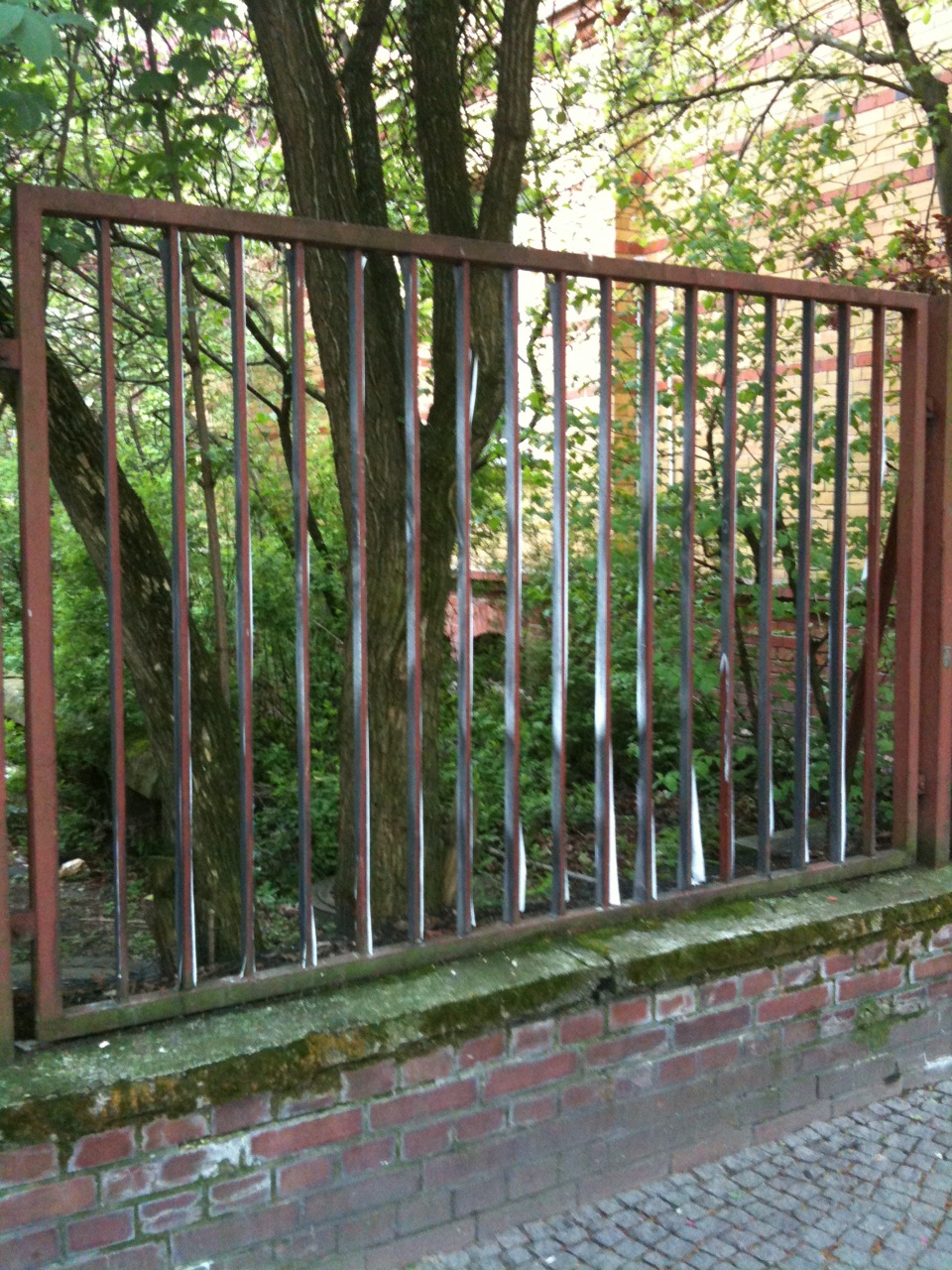
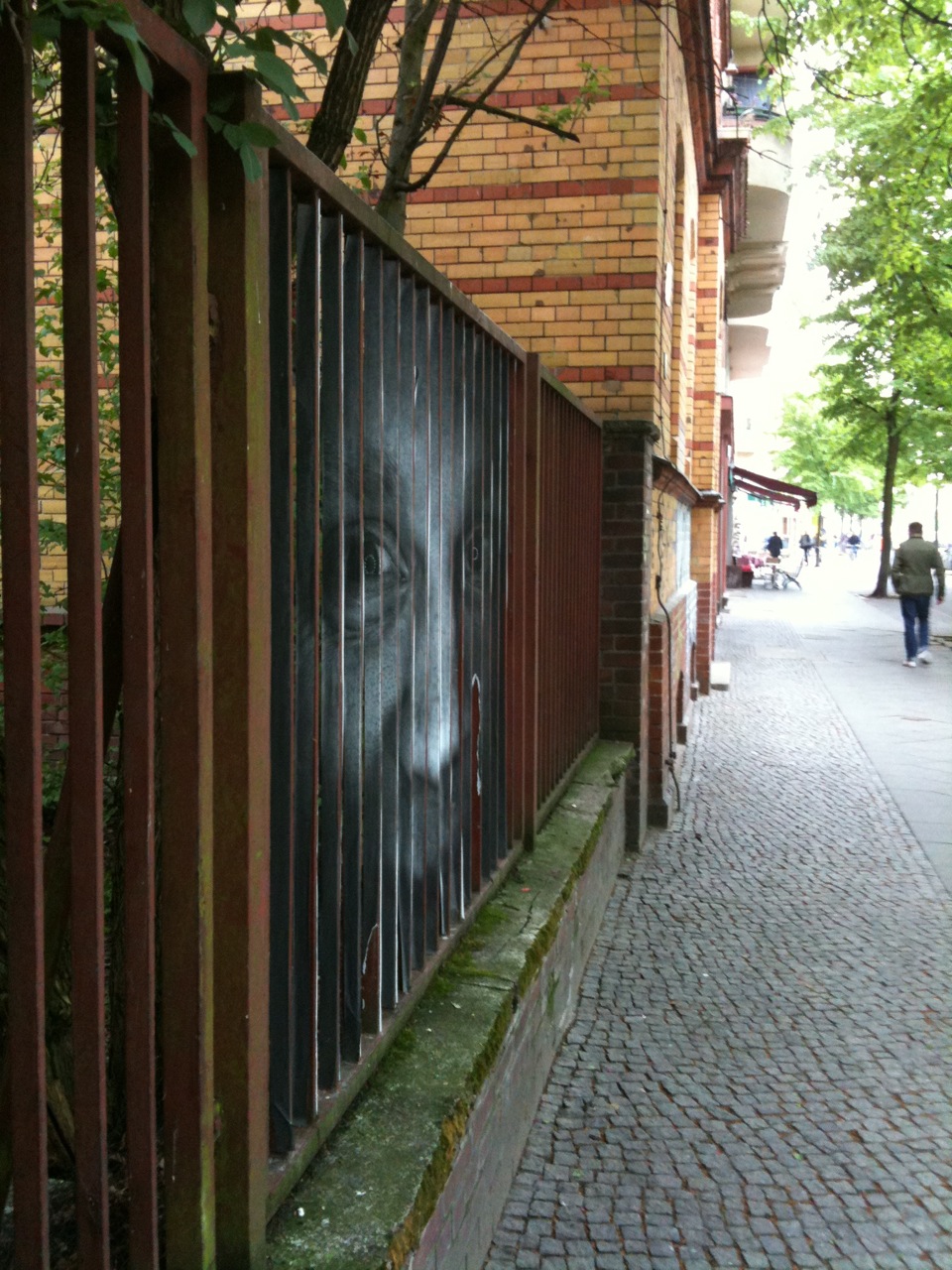
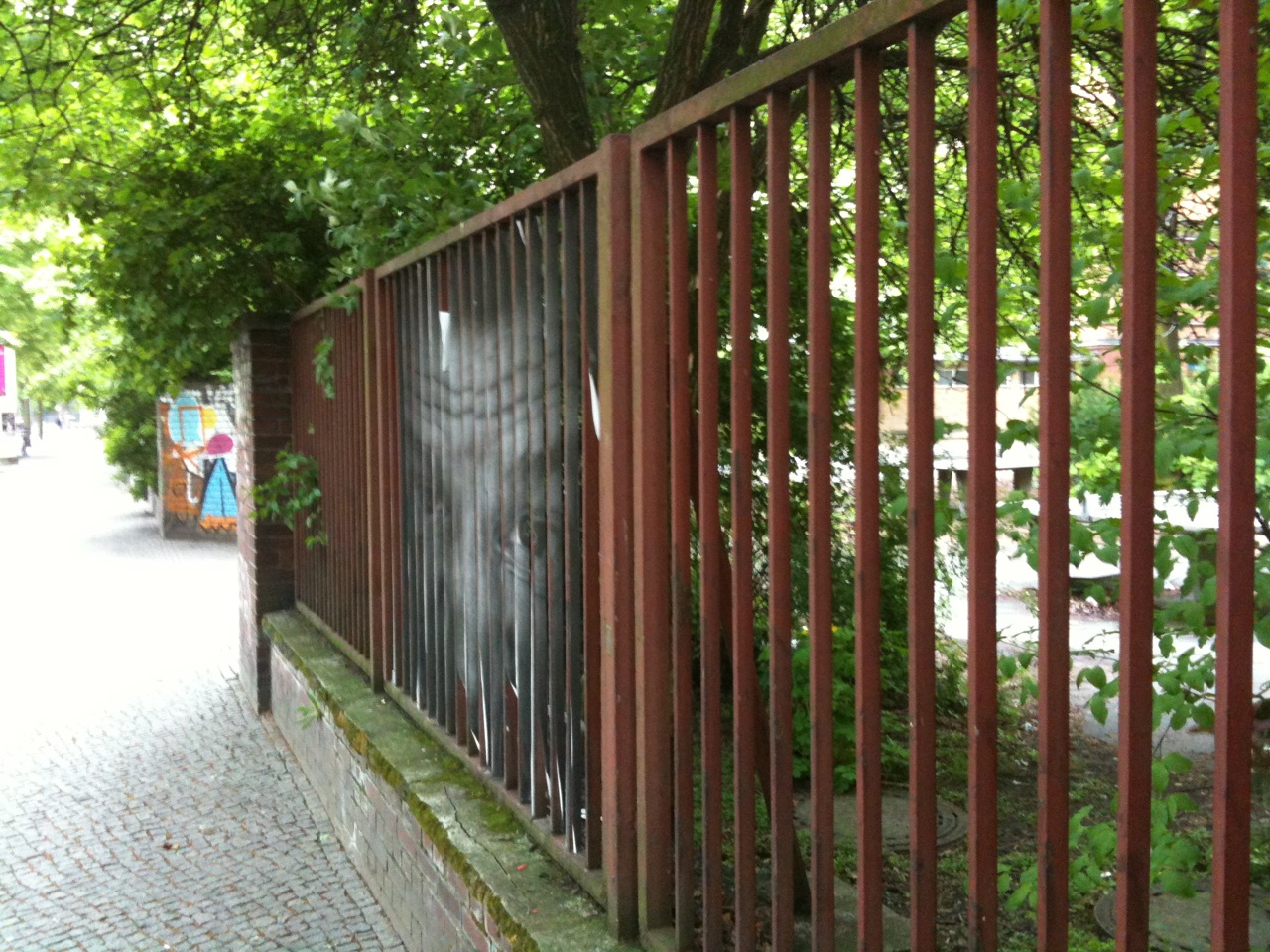
A Creepy Fence...

So here's a fence located in Bergmannstrasse, Berlin:


It seems ordinary from this perspective, though it kind of looks like someone threw a paint bucket at it or pigeons have been there. However simply walking a bit and seeing it from another angle reveals something quite creative and a tad creepy...


...and from the other angle:


Though a little odd and not completely attractive, it does work in livening up a space and creating a point of interest for passers-by to gander at and perhaps help inspire their own creativity.

Saturday, May 15, 2010

Suburb vs. City. Who will win?

The Brookings Institution’s analysis of the 2000-2008 USA census data has interesting results. For the first time ever:
“a majority of all racial and ethnic groups in large metro areas live outside the city. Suburban Asians and Hispanics already had topped 50 percent in 2000, and blacks joined them by 2008, rising from 43 percent in those eight years”. – Associated Press.

There’s still a lean towards white residents in suburbia, but what this analysis shows is that the traditional suburban makeup is changing, and indeed becoming more multi cultural. ‘White flight’ is in reversal.

A reason for this pattern according to Brookings Institution is that;

“city growth spread and accelerated between 2006 and 2008, as many core urban areas realized a “windfall” of residents due to the impact of the housing slump on movement to the suburbs”.


The implication of this is that suburbs are now holding poorer populations. This leads to the question, will suburbs be the new slums?

In terms of urban design this white flight reversal can be seen as favourable. Traditionally white families are a conventional lot and want their quarter acre section with the white picket fence. However this data suggests that more compact urban design – with smaller dwellings and section- can be viably popularised amongst a now wider market, minorities and whites. This more sustainable urban design, rather than sprawl, will be beneficial.